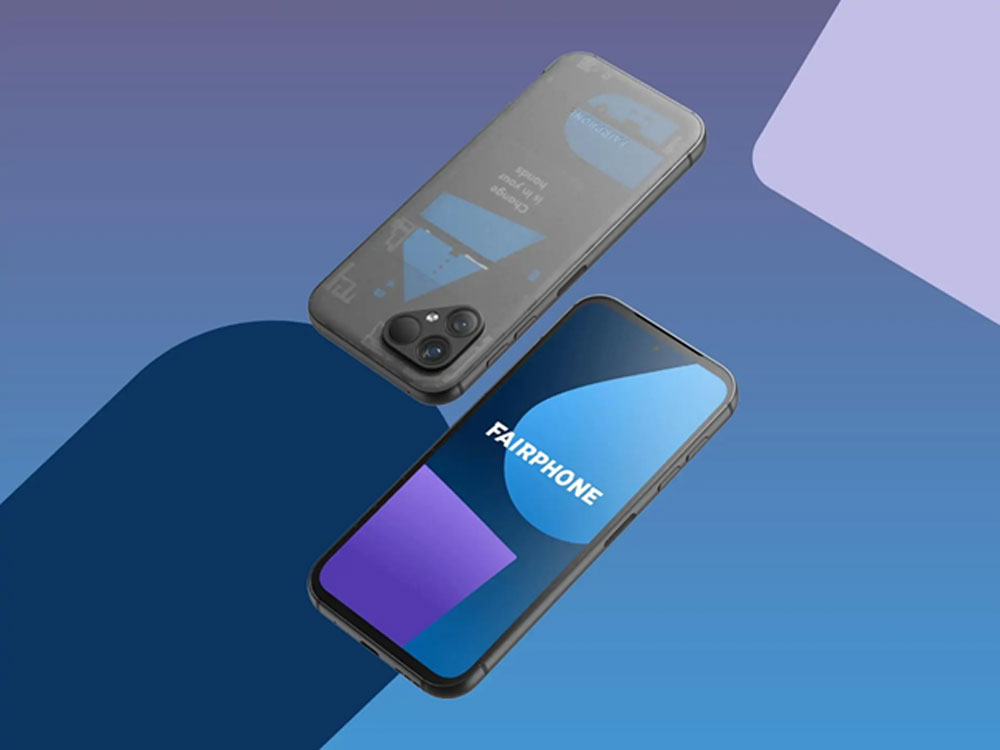
The modular phone represents one of the most interesting innovations in the mobile technology landscape. Unlike traditional smartphones, a modular phone is designed to allow users to replace or upgrade individual components, such as the camera, battery, or processor, without having to change the entire device. This flexibility not only promises greater customization but also a more sustainable approach, reducing electronic waste. In recent years, several companies have experimented with this technology, trying to offer devices that combine modularity, performance, and convenience. But how exactly does a modular phone work and what advantages does it offer compared to traditional smartphones?
A modular phone is a smartphone designed with a structure made up of various interchangeable modules. Each module represents a specific part of the device, such as the camera, the battery, the processor, the memory or even the display. The idea behind this type of phone is to offer users the possibility to upgrade or replace individual components according to their needs, without having to purchase a new complete device.
The concept of a modular phone is based on an architecture that uses a main base (also called the “endoskeleton” or “frame”) on which the various modules can be easily attached or detached. This approach not only allows for advanced customization, but also offers potential economic savings and reduced environmental impact, since it is not necessary to replace the entire smartphone when a component becomes obsolete or breaks.
The first major project to bring the idea of a modular phone to prominence was Google’s Project Ara, which aimed to create a fully customizable smartphone. Although the project was discontinued, it paved the way for other experiments in the industry, such as Fairphone, which focuses on modularity and sustainability, and Motorola’s Moto Z, which introduced the so-called Moto Mods, modules that magnetically connect to the phone to add extra functionalities.
A modular phone is not just a technological device but a new philosophy in the mobile phone world, putting the user at the center by offering freedom of choice, continuous upgrades, and greater longevity for the device itself.
How does a modular phone work
The operation of a modular phone is based on a central structure, often called a frame o endoskeleton, which houses the essential components such as the motherboard and the necessary connections to communicate with the various modules. Each module, representing a specific function or component, can be easily connected or disconnected, offering an experience similar to that of assembled desktop computers.
The modules of a modular phone can include an enhanced camera, a higher capacity battery, a more powerful speaker or even a portable projector. Some models use magnetic connections, as in the case of Moto Mods by Motorola, while others adopt a clip or guide system to securely and stably attach the modules.
Each module communicates with the phone’s operating system through a standardized interface, allowing immediate integration without the need for complex configurations. When a module is connected, the system automatically recognizes it, enabling the user to use it immediately. This modularity ensures not only extreme customization, but also easy maintenance: if a component is damaged, it can be quickly replaced without the intervention of a specialized technician.
An interesting aspect of the operation of modular phones is that the user can choose to upgrade only the parts they consider necessary. For example, those who love photography can invest in a high-quality camera module, while those who need long battery life can opt for an enhanced battery. This approach makes the modular phone a versatile solution adaptable to the needs of each user.
Modular phone: prices and models
The market for modular phones today offers several options, although not yet as widespread as traditional smartphones. Prices vary depending on the model, included components, and the desired level of customization.
One of the best-known brands in the sector is Fairphone, which offers modular phones with a strong focus on sustainability. The Fairphone 4, for example, has a starting price of about €579, with components such as battery, camera, and display easily replaceable. The user can purchase individual modules separately, with costs ranging from €30 to €80 depending on the component.
Another significant example is the series Moto Z by Motorola, which uses Moto Mods to add extra functionalities. Moto Z phones start from about €300, while additional modules, such as the JBL speaker or the Insta-Share projector, can cost between €100 and €300 each.
Other projects, like the famous Project Ara by Google, never reached mass production but influenced the development of new models. Today, emerging companies are exploring the concept of modular phones, aiming to offer affordable and customizable devices. The price of a basic modular phone can start at €250-€300, but costs increase as specific modules and advanced components are added.
Modularity allows users to save in the long term: instead of buying a new smartphone every few years, it is possible to upgrade only the necessary parts, such as the camera or processor, keeping the device up-to-date with technological innovations without spending a fortune.
The main advantages of a modular phone
One of the main advantages of a modular phone is the possibility of customization. Users can choose the components that best meet their needs, modifying or upgrading individual modules like the camera, battery, or memory, without having to replace the entire device.
Another significant benefit is environmental sustainability. The possibility to replace only damaged or outdated components reduces electronic waste, contributing to more responsible consumption. This feature has attracted the attention of those seeking more eco-friendly technological solutions, making the modular phone an ideal choice for those mindful of environmental impact.
From an economic point of view, the modular phone allows saving over time. Instead of buying a new smartphone every few years, users can upgrade only the necessary parts, avoiding high expenses for purchasing a completely new device. Moreover, some models offer affordable modules for those who want to improve their phone without spending too much.
The easy maintenance is another important advantage. If a component breaks, such as the battery or display, the user can replace it on their own without needing technical support, saving time and money.
Finally, modularity stimulates innovation. Companies and developers can create specific modules for particular needs, such as advanced sensors, augmented reality tools, or professional audio systems, offering users a wide range of possibilities to improve and customize their smartphone.
The current challenges and limitations of modular technology
Despite the numerous advantages, the modular phone faces several challenges that hinder its widespread adoption. One of the main limitations is the technical complexity. Designing a modular smartphone requires advanced engineering solutions to ensure that each component is compatible, easily replaceable, and, above all, efficient. This often results in thicker and heavier devices compared to traditional smartphones, compromising aesthetics and handling.
The high cost is another obstacle. Although the idea of replacing individual components is economically advantageous in the long term, the initial price of a modular phone and additional modules can be higher than that of standard smartphones. This discourages many users, especially considering the wide range of affordable devices already available on the market.
The lack of standardization further limits the development of modular technology. Each company tends to create modules compatible only with their own devices, making interoperability between different brands difficult and reducing options for consumers.
Limited manufacturer support is also a challenge. Many modular phone projects, such as Google’s Project Ara, have been abandoned, leaving few alternatives for interested users. Additionally, the lifespan of modules often depends on manufacturer support, and a lack of updates or new component development can quickly make the entire device obsolete.
Finally, the limited diffusion of this technology restricts the interest of the general public. Users tend to prefer the simplicity and reliability of traditional smartphones, leaving the modular phone market to a niche of enthusiasts and sustainability advocates.
Per fornire le migliori esperienze, utilizziamo tecnologie come i cookie per memorizzare e/o accedere alle informazioni del dispositivo. Il consenso a queste tecnologie ci permetterà di elaborare dati come il comportamento di navigazione o ID unici su questo sito. Non acconsentire o ritirare il consenso può influire negativamente su alcune caratteristiche e funzioni.
Funzionale
Always active
L'archiviazione tecnica o l'accesso sono strettamente necessari al fine legittimo di consentire l'uso di un servizio specifico esplicitamente richiesto dall'abbonato o dall'utente, o al solo scopo di effettuare la trasmissione di una comunicazione su una rete di comunicazione elettronica.
Preferenze
L'archiviazione tecnica o l'accesso sono necessari per lo scopo legittimo di memorizzare le preferenze che non sono richieste dall'abbonato o dall'utente.
Statistiche
L'archiviazione tecnica o l'accesso che viene utilizzato esclusivamente per scopi statistici.L'archiviazione tecnica o l'accesso che viene utilizzato esclusivamente per scopi statistici anonimi. Senza un mandato di comparizione, una conformità volontaria da parte del vostro Fornitore di Servizi Internet, o ulteriori registrazioni da parte di terzi, le informazioni memorizzate o recuperate per questo scopo da sole non possono di solito essere utilizzate per l'identificazione.
Marketing
L'archiviazione tecnica o l'accesso sono necessari per creare profili di utenti per inviare pubblicità, o per tracciare l'utente su un sito web o su diversi siti web per scopi di marketing simili.