Digital compliance storage: what it is, how it works, and when it is mandatory in Italy
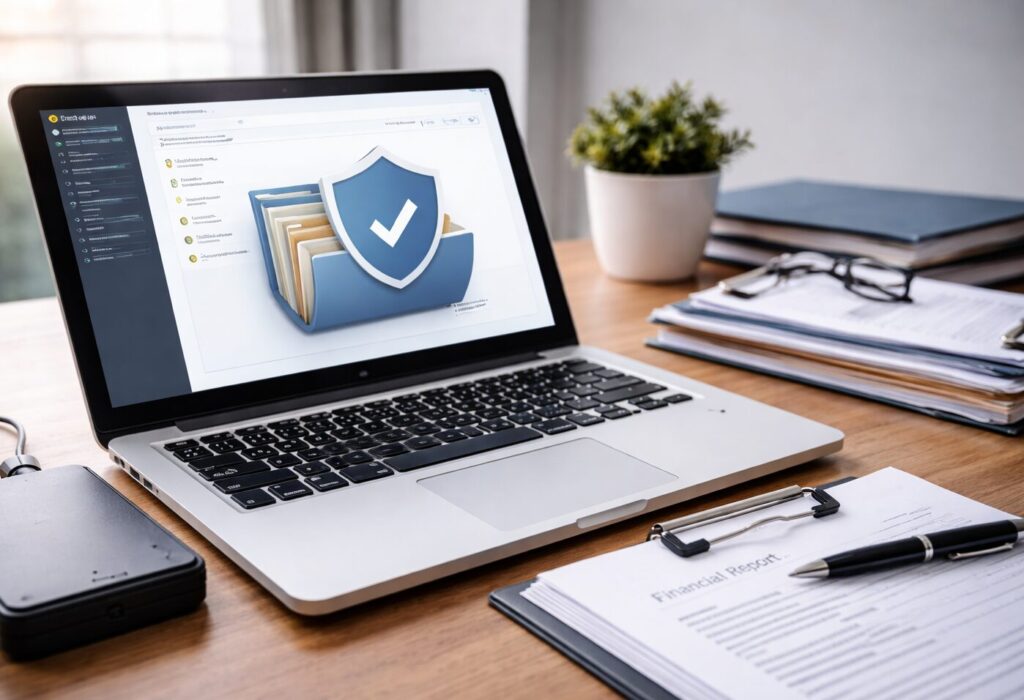
Digital compliant preservation is the process that ensures authenticity, integrity, and legal value of digital documents over time. Simply saving a file as a PDF or on the cloud is not enough: precise procedures compliant with Italian regulations are required. In this guide, we explain what digital compliant preservation is, how it works, and when it is mandatory.
Digital compliant preservation is one of the most important, and often least understood, aspects of administrative digitalization in Italy. Many believe that saving a document as a PDF or storing it on a computer is sufficient, but this is not the case. In this article, we explain what digital compliant preservation is, how it works, and when it is mandatory, clarifying why it represents a fundamental step for companies, professionals, and Public Administration.
Digital compliant preservation is the process that allows the archiving of electronic documents guaranteeing over time their authenticity, integrity, readability, and legal value. It is not a simple digital archive, but a system regulated by precise technical and legal standards.
A document preserved in compliance maintains the same legal validity as the original paper version and can be presented in case of inspections, tax audits, or disputes.
Digital archiving and compliant preservation: they are not the same thing
It is fundamental to distinguish between digital archiving and digital compliant preservation. Saving a file on a computer, on the cloud, or on a hard drive does not mean preserving it in compliance.
Compliant preservation requires:
certified procedures;
tools compliant with the normativa;
clear responsibilities;
checks on the document’s integrity over time.
Only by respecting these requirements does the document maintain full legal value.
How digital compliant preservation works
The digital compliant preservation process follows a series of well-defined steps. Documents are collected, organized, and entered into a preservation system that applies timestamps and digital signatures, ensuring that content is not altered.
The preservation system guarantees that each document:
is intact and unmodifiable;
remains readable over time;
is easily retrievable;
maintains legal value.
The management of the process is entrusted to a preservation manager, a role provided for by Italian legislation.
When digital compliant preservation is mandatory
Within the Italian context, digital compliant preservation is mandatory in several cases, in particular for tax and administrative documents. These include:
electronic invoices;
accounting registers;
documents relevant for tax purposes;
documents digitally signed with legal value.
Electronic invoicing, for example, does not end with sending through the Exchange System: invoices must be preserved digitally in compliance for the period required by law. To better understand this step, you can consult the complete guide to electronic invoicing.
Digital preservation, PEC and digital signature
Digital compliant preservation is closely linked to other tools of administrative digitalization, such as PEC and digital signature. Documents digitally signed or sent via PEC must be correctly preserved to maintain legal value over time.
PEC, digital signature, and digital preservation form an ecosystem that enables fully digital document management, reducing paper, costs, and risk of errors.
Who is obliged to digital compliant preservation
Those obligated to digital compliant preservation include:
companies and businesses;
freelancers;
Public Administration;
subjects with fiscal and accounting obligations.
Even those operating in a simplified form must pay attention to the correct preservation of digital documents, especially in the tax field.
The advantages of compliant digital preservation
Adopting a compliant digital preservation system offers numerous advantages:
reduction of physical storage space;
greater document security;
ease of search and consultation;
compliance with regulations;
reduction of risks in case of audits.
For companies and professionals, it means having documents always available, organized, and legally valid.
Compliant digital preservation and tax audits
In case of tax audits or checks, compliant digital preservation allows you to quickly present the requested documents, avoiding penalties and disputes. A document not properly preserved may be considered invalid, even if it exists in digital format.
For this reason, compliant digital preservation is not a technical detail but an essential component of proper administrative management.
Why digital preservation is increasingly central in Italy
In recent years, Italian regulation has strongly pushed towards the digitalization of administrative processes. Compliant digital preservation represents the final step of this process, ensuring that digital documents maintain legal value over time. Understanding how it works and when it is mandatory allows you to work more securely, efficiently, and in compliance with the rules.
Frequently asked questions about compliant digital preservation
What is compliant digital preservation?
Compliant digital preservation is the process that guarantees authenticity, integrity, readability, and legal value to digital documents over time.
Are digital archiving and compliant preservation the same thing?
No. Saving a document on a computer or cloud is not equivalent to compliant preservation, which requires certified and law-compliant procedures.
When is compliant digital preservation mandatory?
It is mandatory for electronic invoices, fiscal documents, accounting records, and documents with legal relevance.
Must electronic invoices be preserved in compliance?
Yes, electronic invoices must be digitally preserved according to regulations for the period established by Italian tax law.
Who is required to comply with digital preservation?
Companies, professionals, Public Administration, and all subjects with fiscal and accounting obligations are required.
How long must digital documents be preserved?
Documents must be preserved for the periods established by law, which in the tax field generally reach ten years.
What happens if a document is not preserved in compliance?
A document not properly preserved may lose its legal value and be challenged during inspections or audits.
Per fornire le migliori esperienze, utilizziamo tecnologie come i cookie per memorizzare e/o accedere alle informazioni del dispositivo. Il consenso a queste tecnologie ci permetterà di elaborare dati come il comportamento di navigazione o ID unici su questo sito. Non acconsentire o ritirare il consenso può influire negativamente su alcune caratteristiche e funzioni.
Funzionale
Always active
L'archiviazione tecnica o l'accesso sono strettamente necessari al fine legittimo di consentire l'uso di un servizio specifico esplicitamente richiesto dall'abbonato o dall'utente, o al solo scopo di effettuare la trasmissione di una comunicazione su una rete di comunicazione elettronica.
Preferenze
L'archiviazione tecnica o l'accesso sono necessari per lo scopo legittimo di memorizzare le preferenze che non sono richieste dall'abbonato o dall'utente.
Statistiche
L'archiviazione tecnica o l'accesso che viene utilizzato esclusivamente per scopi statistici.L'archiviazione tecnica o l'accesso che viene utilizzato esclusivamente per scopi statistici anonimi. Senza un mandato di comparizione, una conformità volontaria da parte del vostro Fornitore di Servizi Internet, o ulteriori registrazioni da parte di terzi, le informazioni memorizzate o recuperate per questo scopo da sole non possono di solito essere utilizzate per l'identificazione.
Marketing
L'archiviazione tecnica o l'accesso sono necessari per creare profili di utenti per inviare pubblicità, o per tracciare l'utente su un sito web o su diversi siti web per scopi di marketing simili.