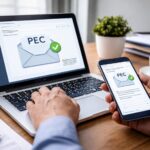
Electronic invoicing is a new way of sending invoices electronically. In the coming months, electronic invoicing PA and B2B will become the norm in all transactions. For companies and freelancers, it is important to clearly understand what it entails and the timing of the implementation of the new laws.
For several years now, parties issuing invoices to the Public Administration have been required to do so electronically. This obligation, starting from July 1, 2018, will also cover all data related to the sale of petrol or diesel used as fuels. From January 1, 2019, electronic invoicing must be used by all VAT subjects, both for the PA and in B2B. To date, the Revenue Agency provides significant tax relief to all those who decide to use electronic invoicing in all commercial exchanges they are involved in, encouraging a growing number of companies and professionals to adapt to the new standard over the months.
How it works
The electronic invoice is nothing more than a digital document, in many ways identical to the paper type. It differs in format and delivery methods. To send an electronic invoice to the Public Administration, it is necessary to use an Exchange Service, provided by the Revenue Agency, which guarantees the speed and total security in sending files related to electronic invoices. Today, practical software is also available that allows fast compilation of electronic invoices and cloud services to store such documents. Thanks to the transition to electronic invoicing, it will be possible in the future to achieve total uniformity of these documents at a European level.
Benefits
The benefits of using invoices in electronic format are multiple, both for users and for the Revenue Agency. The main advantage is economic: it is estimated that compiling and sending a digital invoice saves 5-10 euros for the company using this type of document. This saving comes from time saved, not having to print and send the document, not having to affix stamps or other types of taxation. Furthermore, electronic invoices quickly reach the recipient, greatly reducing the likelihood of errors. On one hand because the exchange system guarantees the correct sending of the file, on the other because the software allows auto-filling of many invoice fields. There will also be a significant reduction in issues related to tax obligations. Consider simply that VAT holders are legally required to keep paper copies of all issued invoices for at least 10 years: in the future, all these documents will be stored in the cloud or on company servers, thus avoiding waste of space and resources that can be allocated differently. From January 2019, electronic invoices will also be usable between private parties, although currently it seems that this adjustment to the law could be postponed for a certain period.
Per fornire le migliori esperienze, utilizziamo tecnologie come i cookie per memorizzare e/o accedere alle informazioni del dispositivo. Il consenso a queste tecnologie ci permetterà di elaborare dati come il comportamento di navigazione o ID unici su questo sito. Non acconsentire o ritirare il consenso può influire negativamente su alcune caratteristiche e funzioni.
Funzionale
Always active
L'archiviazione tecnica o l'accesso sono strettamente necessari al fine legittimo di consentire l'uso di un servizio specifico esplicitamente richiesto dall'abbonato o dall'utente, o al solo scopo di effettuare la trasmissione di una comunicazione su una rete di comunicazione elettronica.
Preferenze
L'archiviazione tecnica o l'accesso sono necessari per lo scopo legittimo di memorizzare le preferenze che non sono richieste dall'abbonato o dall'utente.
Statistiche
L'archiviazione tecnica o l'accesso che viene utilizzato esclusivamente per scopi statistici.L'archiviazione tecnica o l'accesso che viene utilizzato esclusivamente per scopi statistici anonimi. Senza un mandato di comparizione, una conformità volontaria da parte del vostro Fornitore di Servizi Internet, o ulteriori registrazioni da parte di terzi, le informazioni memorizzate o recuperate per questo scopo da sole non possono di solito essere utilizzate per l'identificazione.
Marketing
L'archiviazione tecnica o l'accesso sono necessari per creare profili di utenti per inviare pubblicità, o per tracciare l'utente su un sito web o su diversi siti web per scopi di marketing simili.